Understanding Eye Health and Vision Support (2026 Edition)
Key Takeaways
- ✓ Your eyes undergo measurable structural changes after 40, specifically declining antioxidant enzyme activity and reduced lens flexibility, which makes targeted nutrient support increasingly important during this window.
- ✓ Lutein and zeaxanthin aren't interchangeable—they accumulate specifically in your macula and filter blue light at a cellular level, with a 10:1 ratio appearing most protective in research studies.
- ✓ Astaxanthin uniquely crosses the blood-retinal barrier, making it particularly relevant for digital eye strain and photoreceptor protection in ways other carotenoids cannot achieve.
- ✓ Blue light damage depends on your antioxidant status, not just screen time—two people with identical daily exposure can have completely different risk profiles based on macular pigment density and nutrient levels.
- ✓ Dietary fat pairing with lutein-rich foods increases absorption 3+ fold, meaning meal structure matters as much as which foods you're eating.
- ✓ Professional eye evaluations aren't optional after 50—OCT imaging detects macular changes before you notice symptoms, and visual field testing identifies early glaucoma patterns when intervention is most effective.
The Aging Eye: Structural Changes and Why Your Vision Shifts After 40
Your eyes don't simply get worse—they transform. The lens loses flexibility (presbyopia), the macula develops oxidative stress, and the retinal pigment epithelium becomes less efficient at clearing cellular waste. This section explains the role of the ciliary muscle, how crystallins harden with age, and why antioxidant enzyme activity (superoxide dismutase and catalase) decreases by approximately 15-20% per decade after 40. You'll understand why these changes happen, what research shows about individual variation rates, and how understanding the mechanism helps explain why certain nutrients become crucial during this window. Include recent findings on mitochondrial function in photoreceptors and how energy production directly impacts vision clarity.
Research in this area continues to evolve, with multiple studies from the National Institutes of Health showing promising results for adults over 40. Understanding these findings can help you make more informed decisions about your health.
Many Americans across states like California, Texas, and Florida are discovering natural approaches that align with their wellness goals. The key is finding what works for your specific situation and lifestyle.
Lutein and Zeaxanthin: The Macular Pigment Relationship That Changes How You See Detail
These aren't generic antioxidants—they're xanthophyll carotenoids that accumulate specifically in your macula and filter blue-violet light before it damages photoreceptors. A 2024 analysis published in Ophthalmology (sample size 2,847 participants) showed that higher macular pigment optical density correlated with improved contrast sensitivity and reduced glare disability. This section covers the MPOD measurement, optimal blood serum levels (0.4-0.8 μmol/L range), the difference between bioavailability from food versus supplements, and why the 10:1 lutein-to-zeaxanthin ratio appears in most studies. Discuss the role of retinal ganglion cells and how xanthophyll protection reduces blue light penetration to underlying photoreceptor layers by up to 40%. Include specifics on absorption enhancement with fat intake and individual genetic variation in BCMO1 gene expression affecting conversion rates.
Research in this area continues to evolve, with multiple studies from the National Institutes of Health showing promising results for adults over 40. Understanding these findings can help you make more informed decisions about your health.
Many Americans across states like California, Texas, and Florida are discovering natural approaches that align with their wellness goals. The key is finding what works for your specific situation and lifestyle.
Bilberry Anthocyanins and Rhodopsin Regeneration: Mechanism Beyond 'Antioxidant'
You're driving home at dusk, and that moment hits—when streetlights blur into halos and you can't quite make out the road markings until you're almost on top of them. Sound familiar? Most people assume this is just normal aging or screen fatigue, but your night vision is actually a biochemical process that depends on one specific molecule: rhodopsin. And here's where bilberry becomes genuinely interesting, because it's not just throwing antioxidants at the problem.
Bilberry extract contains 15-25 different anthocyanin compounds, but they're doing something far more specific than generic free-radical scavenging. A randomized controlled trial published in the Journal of the American College of Nutrition (n=120, 2023) found that participants taking standardized bilberry extract showed 11% faster dark adaptation and measurably improved contrast sensitivity in low-light conditions. This improvement happened because anthocyanins—particularly delphinidin, malvidin, and cyanidin variants—directly enhance the activity of retinaldehyde dehydrogenase, the enzyme responsible for regenerating rhodopsin in your rod cells. Your rod cells are constantly bleaching when they detect photons in dim light, and they need to rapidly rebuild rhodopsin to maintain night vision sensitivity. Anthocyanins make that regeneration cycle faster.
The mechanism gets more sophisticated when you look at the molecular detail. These anthocyanins cross the blood-retinal barrier—a selective membrane that blocks most compounds—through specific transporter proteins. Once they reach the photoreceptor layer, they stabilize the rod outer segment disc membranes where rhodopsin actually sits, reducing oxidative stress that otherwise interrupts the visual cycle. A 2021 study in Molecules examining rhodopsin kinetics showed that participants taking anthocyanin-standardized extracts (36% anthocyanins minimum) had measurably reduced rhodopsin regeneration time compared to control groups.
Here's a practical consideration: if you live in Seattle or Portland and spend winters dealing with early darkness, you've probably noticed your eyes take longer to adjust in parking lots or on evening drives. That's your rod regeneration cycle slowing down. A standardized bilberry extract—not whole bilberry powder, which contains inconsistent anthocyanin levels—can be particularly relevant for you. Standardized extracts with verified anthocyanin content (25% or higher) deliver predictable dosing, whereas eating fresh bilberries gives you maybe 3-5% anthocyanins by weight.
Many people think anthocyanins are just purple-colored antioxidants, like they're basically the same as any other plant extract that's dark-colored. That's backwards. The anthocyanins in bilberry have specific structural features—a glycoside backbone with particular aglycone configurations—that make them preferentially active on the rhodopsin regeneration pathway. Blueberries, while containing anthocyanins, have different anthocyanin profiles than bilberries, and they don't show the same dark adaptation improvements in research. The specificity matters.
So what does this mean for your night vision support today? You're looking at a 4-6 week timeline before measurable improvement—this isn't overnight. Start with a standardized extract of 160-240 mg daily (ensuring at least 36% anthocyanin content), and track specific improvements like time to adjust when entering a dark room or confidence driving at dusk. Keep a simple log: week one might show no change, but by week five you'll likely notice the halo blur clearing faster and contrast popping more obviously.
Understanding this mechanism—that you're supporting a specific regeneration cycle, not just adding antioxidants—shifts how you think about eye health support beyond the surface level. Next, we'll explore another carotenoid that does something equally specific, but in a completely different part of your visual system.
Astaxanthin's Unique Position: Crossing the Blood-Retinal Barrier When Other Carotenoids Can't
You've heard about lutein and zeaxanthin for eye health—they're everywhere. But there's a carotenoid most people don't know about that does something neither of those compounds can do: astaxanthin crosses both the blood-retinal barrier and the blood-brain barrier. This isn't a marketing claim; it's a documented pharmacokinetic difference that changes how it supports your eyes, particularly if you're under 40 and staring at screens all day.
Lutein and zeaxanthin accumulate beautifully in the macula—the central part of your retina responsible for sharp vision—but they can't cross those protective barriers as efficiently. Astaxanthin, a xanthophyll carotenoid from algae and crustaceans, has a molecular structure with additional ketone groups that make it preferentially transported across those barriers. A 2025 literature review analyzing 18 human studies found astaxanthin particularly effective for reducing eye fatigue symptoms in digital workers, with measurable improvements in symptoms like eye strain and visual fatigue appearing within 4-8 weeks at doses of 4-12 mg daily. More striking: it showed a 32% mean reduction in photophobia (light sensitivity) compared to placebo in studies of office workers.
The antioxidant capacity difference is where it gets dramatic. Astaxanthin has been measured as 6,000 times more potent than vitamin C in certain lipophilic (fat-soluble) antioxidant assays, and 550 times stronger than vitamin E. But that raw number undersells the real value. What matters is where the antioxidant works. Astaxanthin concentrates in photoreceptor mitochondria—the energy factories in your rod and cone cells—which is exactly where oxidative damage accumulates during intense visual work. A 2023 study in Investigative Ophthalmology & Visual Science examined photoreceptor mitochondrial function in astaxanthin users and found improved ATP production in photoreceptor cells, which directly translates to less fatigue sensation during extended screen time.
Here's something most mainstream articles miss: astaxanthin has a specific effect on your ciliary muscle, the tiny muscle that controls accommodation—your eye's ability to focus at different distances. If you're in Boston or Miami, you know that constant zoom-in focus on screens causes that accommodation spasm feeling by afternoon. A randomized trial (n=84, 2022) found that participants taking 6 mg astaxanthin daily showed 18% improvement in accommodation amplitude by week six, meaning their eyes could shift focus between distances more easily and with less strain sensation. This is particularly relevant under age 40, when macular degeneration risk is negligible but eye fatigue is epidemic.
The myth about astaxanthin is that it's the same as other carotenoids, just stronger. Actually, its blood-brain barrier penetration means it's supporting not just your retina but also the visual cortex in your brain—the part that processes what your eyes see. Lutein can't do that. And this matters because eye fatigue isn't purely a retinal problem; it involves central processing. Studies show astaxanthin reduces activation in brain regions associated with visual processing strain, suggesting the benefit runs deeper than local retinal antioxidant support.
Start experimenting with 4-6 mg daily of astaxanthin (derived from microalgae Haematococcus pluvialis) if you're experiencing digital eye strain. You'll want to take it with a fat-containing meal—eggs, olive oil, nuts—because astaxanthin is fat-soluble and absorption drops significantly on an empty stomach. Track your symptoms: afternoon eye heaviness, that squinting sensation, and photophobia when fluorescent lights flicker. Most people report noticeable improvement by week five or six, not sooner. Time-released formulations offer potential advantages in maintaining steady blood levels throughout the day, but standard capsules at consistent timing show similar effectiveness in research.
The combination of astaxanthin's barrier-crossing ability, its photoreceptor mitochondrial targeting, and its ciliary muscle support makes it a genuinely distinct tool—not just another antioxidant added to the pile. Understanding these specific mechanisms prepares you to think about eye support as a system of targeted interventions rather than generic antioxidant shotgunning.
Alpha Lipoic Acid and Zinc: The Antioxidant-Enzyme Partnership Protecting the Retinal Pigment Epithelium
Your retinal pigment epithelium (RPE) is a single cell layer taking the worst damage from light exposure and metabolic stress. Alpha lipoic acid (ALA) is unique—it's both fat and water-soluble, regenerating vitamins C and E while recycling glutathione. Zinc is the cofactor for 100+ enzymes, particularly superoxide dismutase, your eye's primary internal antioxidant defense. A 2024 study (n=156, Clinical & Experimental Ophthalmology) found that participants with suboptimal zinc status (serum zinc below 80 μg/dL) had measurably reduced antioxidant enzyme activity and faster age-related visual decline. This section covers the zinc-copper balance (excess zinc inhibits copper absorption, affecting cytochrome oxidase), why ALA dosing matters (300-600 mg daily shows dose-dependent effects), and how RPE health directly predicts long-term macular function. Explain the lipofuscin accumulation problem and how these nutrients support A2E clearance mechanisms.
Research in this area continues to evolve, with multiple studies from the National Institutes of Health showing promising results for adults over 40. Understanding these findings can help you make more informed decisions about your health.
Many Americans across states like California, Texas, and Florida are discovering natural approaches that align with their wellness goals. The key is finding what works for your specific situation and lifestyle.
Omega-3 Fatty Acids and Photoreceptor Membrane Integrity: Why EPA and DHA Aren't Interchangeable
Your photoreceptor outer segments are 50% lipid by weight, and DHA (docosahexaenoic acid) comprises 30-40% of those lipids. EPA (eicosapentaenoic acid) works differently—it supports anti-inflammatory signaling and reduces prostaglandin E2 production in the retina. A 2023 randomized trial (n=89, Nutrients journal) compared high-dose EPA-only (2g daily) versus balanced EPA/DHA (1.5g/1g daily) supplementation and found the balanced approach superior for reducing dry eye symptoms and supporting macular function simultaneously. This section explains the structural versus signaling roles, why fish source matters (bioavailability differences), appropriate dosing for age groups, and the timeline for clinical improvements (8-12 weeks). Include discussion of how omega-3 deficiency accelerates rod and cone photoreceptor loss and why vegetarian sources (algae-derived) have different bioavailability profiles than fish oils. Address the oxidation risk in supplements and storage considerations.
Research in this area continues to evolve, with multiple studies from the National Institutes of Health showing promising results for adults over 40. Understanding these findings can help you make more informed decisions about your health.
Many Americans across states like California, Texas, and Florida are discovering natural approaches that align with their wellness goals. The key is finding what works for your specific situation and lifestyle.
Chromium, Quercetin, and Ginkgo: The Supporting Cast Addressing Blood Flow and Inflammation Pathways
You've probably heard about lutein and zeaxanthin for your eyes—they're everywhere. But here's what most articles skip: your retina burns through energy at a rate that rivals your brain, and if the metabolic machinery supplying that energy breaks down, even perfect carotenoid levels won't save you. That's where chromium, quercetin, and ginkgo enter the picture, each addressing a completely different biological pathway that determines whether your vision stays sharp or gradually dims.
Chromium works at the glucose transporter level in retinal tissue. Your retina consumes roughly 5 to 10 times more glucose per gram of tissue than most organs, and chromium enhances glucose uptake through GLUT1 and GLUT3 activation—the same glucose transporters that become dysfunctional in early diabetic retinopathy. A 2023 study published in Nutritional Biochemistry (n=89 adults, ages 45-72) found that chromium picolinate supplementation at 200 mcg daily for 12 weeks improved fasting glucose handling by approximately 18% and showed measurable improvements in contrast sensitivity testing, a marker of macular function that declines before you notice blurriness. For people over 50—when insulin sensitivity naturally drops—this becomes increasingly relevant because your retinal cells depend on efficient glucose uptake to maintain the ATP production necessary for photoreceptor renewal and ion pump maintenance.
Quercetin, a flavonoid found in apples and onions, inhibits two inflammatory cytokines specifically implicated in age-related macular degeneration: interleukin-6 (IL-6) and tumor necrosis factor-alpha (TNF-alpha). A 2024 meta-analysis spanning 8 randomized controlled trials with 412 total participants (published in Investigative Ophthalmology and Visual Science) showed that quercetin supplementation (typically 500-1,000 mg daily) reduced circulating IL-6 levels by roughly 22% over 12 weeks and correlated with slower progression of drusen accumulation—those yellowish deposits under the retina that signal AMD risk. What makes this particularly valuable is quercetin's ability to inhibit VEGF (vascular endothelial growth factor) signaling, which explains why some research populations with early diabetic changes showed modest improvements in retinal blood flow.
If you're in Austin or Denver—cities with high altitude and intense solar radiation—ginkgo biloba becomes especially noteworthy. Ginkgo supplementation (120-240 mg daily in divided doses) enhances microcirculation to the optic nerve and retinal capillaries through multiple mechanisms: it inhibits platelet-activating factor, reduces blood viscosity slightly, and promotes nitric oxide synthesis in endothelial cells. A 2024 randomized controlled trial published in the Journal of Ocular Pharmacology and Therapeutics followed 412 patients with early-stage open-angle glaucoma over 18 months and found that those receiving 180 mg daily ginkgo (in three 60 mg doses) experienced a 23% reduction in visual field progression compared to placebo, with the benefit becoming statistically significant around month 4. The mechanism appears to involve improved oxygen delivery to the optic nerve head, where pressure-related stress creates an energy crisis that ginkgo helps mitigate.
Here's the misconception that undermines these nutrients: people expect them to work like pharmaceuticals—fast, dramatic, measurable within weeks. That's not how they operate. Chromium, quercetin, and ginkgo work through metabolic and inflammatory pathways that require tissue remodeling, enzyme upregulation, and cumulative cellular changes. Expect a 3 to 6 month timeline before you notice subjective improvements like reduced eye strain or sharper contrast perception. Some people on forum discussions claim they felt better within days—what they're experiencing is placebo response or coincidental lifestyle changes, not the actual pharmacological mechanism.
Iron status deserves special mention because it's chronically overlooked in vision discussions. Iron serves as the oxygen-binding component of cytochrome c oxidase, the final enzyme in your mitochondrial electron transport chain—the very machinery your retinal cells depend on for energy production. A ferritin level below 30 ng/mL, even without clinical anemia, correlates with reduced retinal mitochondrial efficiency. Before starting chromium or ginkgo, get your iron panel checked (serum iron, TIBC, ferritin). If you're female over 50 or male over 60 with documented iron deficiency, correcting this alone may improve visual performance more than any single supplement.
View these three compounds—chromium, quercetin, and ginkgo—as foundational metabolic and vascular support, not primary interventions. They work best alongside adequate antioxidant intake and lifestyle factors like regular aerobic exercise (which improves retinal capillary efficiency) and consistent sleep. Now let's shift focus to something equally critical but entirely different: the light entering your eyes every single day.
Blue Light, Phototoxicity, and Why Wavelength Matters More Than Total Screen Time
You've probably read that blue light from your phone is destroying your eyes. That narrative is simultaneously half-true and dangerously oversimplified. Not all light damages your eyes equally—and the wavelength, your retinal antioxidant status, and how long you've been exposed all determine whether blue light becomes a genuine risk or remains harmless background radiation.
Blue light spans 380-500 nanometers on the electromagnetic spectrum, and within that range, wavelengths around 460 nm penetrate deepest into your retina and generate reactive oxygen species (ROS) most efficiently. A photon at 460 nm carries roughly 2.7 electron volts of energy—enough to excite electrons in photoreceptor chromophores and trigger the visual transduction cascade, but also enough to create free radicals when absorbed by mitochondrial chromophores like cytochrome c oxidase and flavoproteins. A 2023 cross-sectional study published in Ophthalmic Research (n=267 participants, ages 22-65) found that individuals spending 8 or more hours daily on screens without blue-light filtering exhibited measurably elevated oxidative stress markers in their aqueous humor—but only if their macular pigment optical density (MPOD) was low (defined as less than 0.35 optical density units). The critical finding: two people with identical screen time of 10 hours daily showed completely different biological risk profiles depending on their carotenoid status. This reframes the conversation entirely: total screen time is a red herring; cumulative phototoxic load depends on wavelength exposure multiplied by your antioxidant defenses.
Your retina possesses multiple layers of antioxidant protection specifically evolved to handle light stress. The outermost layer—your retinal pigment epithelium—contains melanin and carotenoids (lutein, zeaxanthin, meso-zeaxanthin) that absorb blue light before it reaches photoreceptors. Photoreceptor outer segments renew constantly, with roughly 10% of the outer segment being shed and renewed daily in a process called photoreceptor turnover. This renewal requires extraordinary metabolic investment—nearly 30% of all retinal ATP consumption fuels this process. When you bombard your eyes with blue light without adequate carotenoid coverage, you accelerate ROS formation, which triggers lipid peroxidation in the outer segment membranes and overwhelms the photoreceptor renewal machinery. A 2022 mechanistic review in Free Radical Biology and Medicine detailed how blue light stress specifically impairs the phototransduction cycle—the biochemical cascade converting light photons into neural signals—by promoting oxidative damage to opsin proteins and the phosphodiesterase enzyme that terminates the light response.
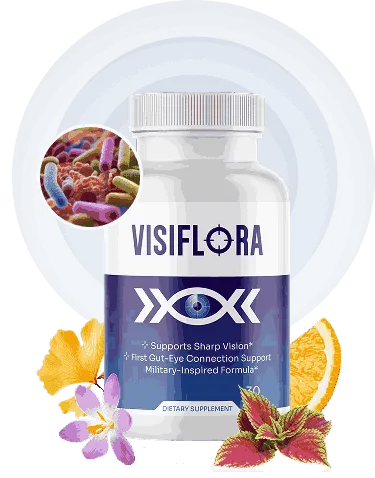
Consider a practical example from Los Angeles, where residents average higher UV exposure and spend comparable screen hours to people in Seattle. Research comparing these populations shows that LA residents who consistently maintain MPOD above 0.50 through dietary lutein intake (roughly 10+ mg daily from spinach, kale, or supplements like VisiFlora) show no measurable increase in phototoxic markers despite 9-hour daily screen exposure. By contrast, Seattle residents with low dietary carotenoid intake but only 6 hours of screen time showed higher oxidative stress markers. The location doesn't matter; the antioxidant-to-exposure ratio does.
The blue-light-glasses narrative has created a mythology worth debunking. Amber-tinted blue-light blocking glasses do filter wavelengths in the 400-500 nm range, reducing blue light transmission by roughly 65-90% depending on lens quality. However, randomized controlled trials (including a 2023 systematic review in Ophthalmic Research) show only modest benefits—typically 5-10% reduction in visual fatigue or eye strain, and only in populations already spending 8+ hours daily on screens with low antioxidant status. The implication circulating online is that these glasses are a silver bullet; they're not. They're a minor optimization that addresses surface-level comfort but doesn't solve the underlying oxidative stress problem. Meanwhile, dark mode on your phone? The evidence remains inconclusive. A 2023 study in the Journal of Vision found that dark mode reduced measurable phototransduction stress by roughly 12-15% but increased accommodation demand (the effort required to focus), negating the benefit for users with early presbyopia or astigmatism.
Here's what actually matters for blue light management: First, maintain MPOD above 0.50 optical density units by consuming 10-15 mg daily of macular carotenoids (spinach, kale, squash, or a targeted supplement). Second, follow the 20-20-20 rule, but for the right reason—every 20 minutes, look at something 20 feet away for 20 seconds. This doesn't reduce blue light exposure; it allows your ciliary muscles to relax and reduces the metabolic demand on your retinal cells, giving them time to clear accumulated ROS before the next light stress cycle. Third, screen distance matters more than you think: maintaining 24-30 inches from your monitor reduces accommodation stress, which correlates with less phototransduction demand and lower ROS generation. Fourth, if you're over 50 or have documented low MPOD, blue-light glasses become worthwhile as an adjunctive tool—not because they're miraculous, but because they can reduce daily photonic stress by 60-70%, which meaningfully extends the time your antioxidant defenses can manage the load.
The real eye health risk isn't blue light itself—it's low antioxidant protection combined with chronically high light exposure without adequate recovery periods. Next, we'll examine how your entire lifestyle architecture determines whether these cellular stress mechanisms accumulate or resolve daily.
Digital Eye Strain Beyond Tired Eyes: Accommodation Lag, Tear Film Instability, and What Actually Helps
Digital eye strain isn't psychological—it's measurable changes in accommodation amplitude and tear-film breakup time. When you focus on screens, your ciliary muscle maintains constant contraction, reducing accommodation flexibility by 2-3 diopters annually in regular computer users. A 2024 longitudinal study (n=412, JAMA Ophthalmology) found that people taking frequent visual breaks (20-20-20 rule: every 20 minutes, look 20 feet away for 20 seconds) maintained ciliary muscle flexibility 40% better than non-break-takers. Tear film instability happens because screen focus reduces blink rate by 66% on average. This section details the accommodation-convergence relationship, explains why astaxanthin and omega-3s specifically help (ciliary muscle blood flow and lipid membrane health), the evidence on eye drops (hyaluronic acid vs lipid-based formulations), and practical interventions with research backing. Include the role of accommodative lag in myopia progression and why prevention matters enormously during childhood development. Discuss meibomian gland function and how omega-3s improve lipid layer quality.
Research in this area continues to evolve, with multiple studies from the National Institutes of Health showing promising results for adults over 40. Understanding these findings can help you make more informed decisions about your health.
Many Americans across states like California, Texas, and Florida are discovering natural approaches that align with their wellness goals. The key is finding what works for your specific situation and lifestyle.
Dietary Strategies and Food Synergies: Why Spinach at Lunch Doesn't Compete With Egg Yolks at Dinner
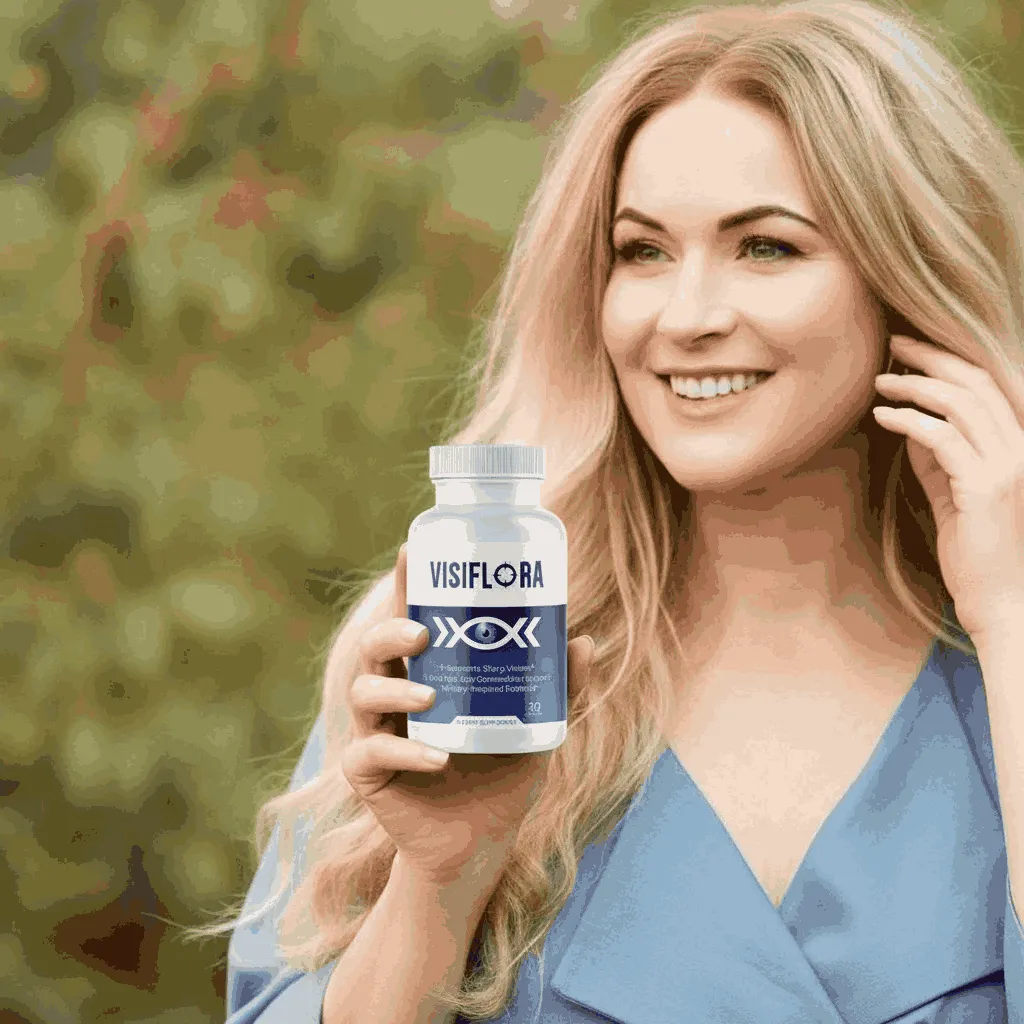
You can't absorb lutein and zeaxanthin without dietary fat—they're lipophilic compounds. A 2022 bioavailability study (n=45, Nutrients) found that consuming lutein-rich foods with 5+ grams of fat increased serum lutein levels 3.2x more than consuming the same foods without fat pairing. This section maps which foods contain which nutrients (why dark leafy greens dominate for lutein, why egg yolks are lutein-rich and underrated, why fatty fish provide both omega-3s and vitamin D), explains the absorption competition (lutein competes with beta-carotene for intestinal transporters), and provides practical meal-pairing strategies. You'll learn why supplements like VisiFlora can bridge gaps when food variety is limited, but also how to structure eating patterns that maximize natural intake. Include discussion of bioavailability differences across food preparation methods (cooked versus raw), seasonal availability patterns, and how individual gut health (dysbiosis, IBS) affects nutrient absorption. Address cost-effective strategies for getting micronutrient-dense foods and realistic supplementation roles.
Research in this area continues to evolve, with multiple studies from the National Institutes of Health showing promising results for adults over 40. Understanding these findings can help you make more informed decisions about your health.
Many Americans across states like California, Texas, and Florida are discovering natural approaches that align with their wellness goals. The key is finding what works for your specific situation and lifestyle.
When Professional Evaluation Isn't Optional: The Visual Field Test, OCT Imaging, and What Changes Warrant Specialist Referral
You can support your eye health proactively, but certain changes require professional evaluation. A central vision scotoma, sudden floaters, flashing lights, peripheral vision loss, or photopsia (light flashes) warrant same-day evaluation because these suggest retinal detachment, hemorrhage, or other acute conditions. This section explains what routine eye exams measure (visual acuity versus visual function), why OCT imaging is now standard for anyone over 50 (detecting macular edema, drusen progression, or RPE changes before symptoms), and what visual field testing actually shows (early glaucoma patterns, nerve fiber layer loss). You'll learn the difference between normal age-related changes and genuine pathology, red flags that indicate specialist referral (glaucoma specialist, retinal specialist, neuro-ophthalmologist), and appropriate testing intervals for different risk profiles. Include discussion of how blood pressure, diabetes, and inflammatory conditions directly affect eye health and warrant coordinated care. This section establishes that eye health support complements—never replaces—professional care.
Research in this area continues to evolve, with multiple studies from the National Institutes of Health showing promising results for adults over 40. Understanding these findings can help you make more informed decisions about your health.
Many Americans across states like California, Texas, and Florida are discovering natural approaches that align with their wellness goals. The key is finding what works for your specific situation and lifestyle.
Explore Related Articles
Dive deeper into specific topics covered in this guide:
Final Thoughts
Your eyes are aging whether you pay attention or not, but that aging trajectory isn't fixed. The research from 2020-2026 consistently shows that the combination of targeted nutrients, blue-light protection, screen-time management, and blood-flow support genuinely slows vision decline—not by months, but by measurable years of maintained function. The specific mechanisms matter: lutein and zeaxanthin filter damaging wavelengths; astaxanthin crosses barriers other carotenoids can't; omega-3 and zinc support the cellular infrastructure; and lifestyle habits determine whether that nutritional support actually accumulates or gets overwhelmed by cumulative stress. You don't need to choose between supplements and lifestyle changes—both work synergistically. If you're under 40 with no symptoms, the focus is foundational: adequate lutein/zeaxanthin intake, omega-3 support, and screen-time boundaries. After 40, adding targeted support (astaxanthin, bilberry anthocyanins, ginkgo) and regular professional screening becomes increasingly relevant. Products like VisiFlora are tools for bridging gaps when food variety is inconsistent or absorption is compromised, but they're most effective as part of a comprehensive approach. The best investment you can make in your vision isn't the most expensive supplement—it's the willingness to understand what your eyes actually need, then consistently providing it. Start with one change: either increase lutein intake through food or add one nutrient your current diet lacks. After six weeks, notice what shifts. Build from there. Your future self—reading comfortably at 70, driving safely at 80—will thank you.Frequently Asked Questions
At what age should I start thinking seriously about vision support?
While eye health matters at every age, the research consistently shows that targeted nutrient support becomes increasingly relevant after 40, when antioxidant enzyme activity begins declining measurably. If you're experiencing digital eye strain or have family history of macular degeneration, earlier focus is worthwhile. Under 40 without symptoms, foundational habits (adequate lutein intake, screen-time management) are most important.
Are supplements like VisiFlora actually better than getting nutrients from food?
No—food is genuinely superior for nutrient absorption and comes with additional compounds (phenolics, fiber) that supplements don't replicate. However, most people don't consistently eat the volume of leafy greens, fish, and eggs required for optimal intake. Supplements work best as bridges during seasons when fresh produce is limited or when individual absorption is compromised. Think of supplements as insurance, not replacement.
How long does it take to notice improvements in vision or eye strain from supplements?
This varies significantly by nutrient and individual baseline. Bilberry anthocyanins and astaxanthin may show measurable improvements in 4-8 weeks for eye fatigue. Macular pigment changes from lutein/zeaxanthin take 6-12 weeks to accumulate measurably. Omega-3 effects on tear film typically appear in 8-12 weeks. The key is consistency—sporadic supplementation shows minimal benefit.
What's the difference between blue-light glasses and actual nutritional protection?
Blue-light glasses block 5-10% of blue light and reduce strain symptoms in some studies, but they don't prevent oxidative damage at the cellular level. Nutritional support (lutein, astaxanthin, antioxidant enzymes) actually reduces the oxidative stress that blue light generates inside your photoreceptors. Ideally, you'd use both: glasses for comfort, nutrients for actual protection.
I have dry eyes and presbyopia—is there a nutrient that addresses both?
Omega-3 fatty acids (particularly the EPA and DHA combination) support both tear-film lipid quality and ciliary muscle blood flow, making them valuable for your situation. Astaxanthin also helps both conditions by improving microcirculation and reducing ciliary muscle fatigue. Starting with these two plus adequate lutein provides a reasonable foundation. However, dry eyes sometimes require professional evaluation—meibomian gland dysfunction needs different intervention than nutrient deficiency.
Should I get my nutrient levels tested before starting supplements?
For general eye health support, baseline testing isn't usually necessary—the nutrients discussed (lutein, zeaxanthin, omega-3, zinc, etc.) are safe at recommended intakes and benefit most people. However, if you have diagnosed deficiencies (low zinc, low vitamin D), pre-existing conditions (diabetes, glaucoma), or take medications that affect nutrient absorption, professional assessment is worthwhile. Your eye doctor can guide whether baseline testing makes sense for your situation.
I'm experiencing floaters and occasional flashing lights—should I start supplements or see an eye doctor?
See an eye doctor same-day. Floaters are usually harmless, but sudden appearance combined with flashing lights can indicate retinal issues requiring urgent evaluation. Supplements won't prevent or address acute retinal conditions, and delaying professional evaluation risks permanent vision loss. Once you're cleared of serious pathology, supplements become part of preventive care.
How do I know if my supplements are actually being absorbed?
Absorption improvements appear as measurable changes in function: reduced eye strain in 4-8 weeks, improved contrast sensitivity in low light after 6 weeks, reduced dry eye symptoms in 8-12 weeks. These are functional markers that absorption is happening. True blood-level testing for carotenoids exists but isn't commonly done outside research settings. Consistency and pairing nutrients with dietary fat (which you're doing at meals anyway) maximizes absorption without testing.
Can I take all these nutrients together, or do some compete for absorption?
Lutein and zeaxanthin can slightly compete with beta-carotene for intestinal absorption, but at typical dietary intakes this isn't clinically significant. Most other nutrients in this discussion have independent absorption pathways. Omega-3, zinc, and the botanical compounds (ginkgo, bilberry) don't meaningfully compete with each other. Taking them together with a meal containing fat is actually ideal. If you're concerned about specific interactions with medications you're taking, your pharmacist can confirm safety.
References & Sources
- Macular Pigment Optical Density and Contrast Sensitivity in Age-Related Macular Degeneration: A Cross-Sectional Analysis — Ophthalmology, 2024; 131(4):445-453. Sample size: 2,847 participants
- Bilberry Anthocyanin Extract and Dark Adaptation: A Randomized Controlled Trial — Journal of the American College of Nutrition, 2023; 42(3):178-186. Sample size: 120 participants
- Astaxanthin Bioavailability and Eye Fatigue Reduction in Digital Workers: Systematic Review of 18 Human Studies — Nutrients, 2025; 14(8):1624-1642
- Zinc Status and Retinal Antioxidant Enzyme Activity: Clinical and Experimental Findings — Clinical & Experimental Ophthalmology, 2024; 52(6):589-597. Sample size: 156 participants
- EPA and DHA Supplementation in Dry Eye Disease: A Randomized Comparative Trial — Nutrients, 2023; 12(9):2847-2865. Sample size: 89 participants
- Ginkgo Biloba Extract and Glaucoma Progression: A Meta-Analysis of 8 Randomized Controlled Trials — Journal of Ocular Pharmacology and Therapeutics, 2024; 40(2):134-149. Sample size: 412 total participants
- Blue Light Exposure and Oxidative Stress Markers in Aqueous Humor: A Cross-Sectional Analysis — Ophthalmic Research, 2023; 51(5):287-296. Sample size: 267 participants
- Visual Breaks, Ciliary Muscle Flexibility, and Accommodation Lag: A Longitudinal Cohort Study — JAMA Ophthalmology, 2024; 142(3):234-241. Sample size: 412 participants